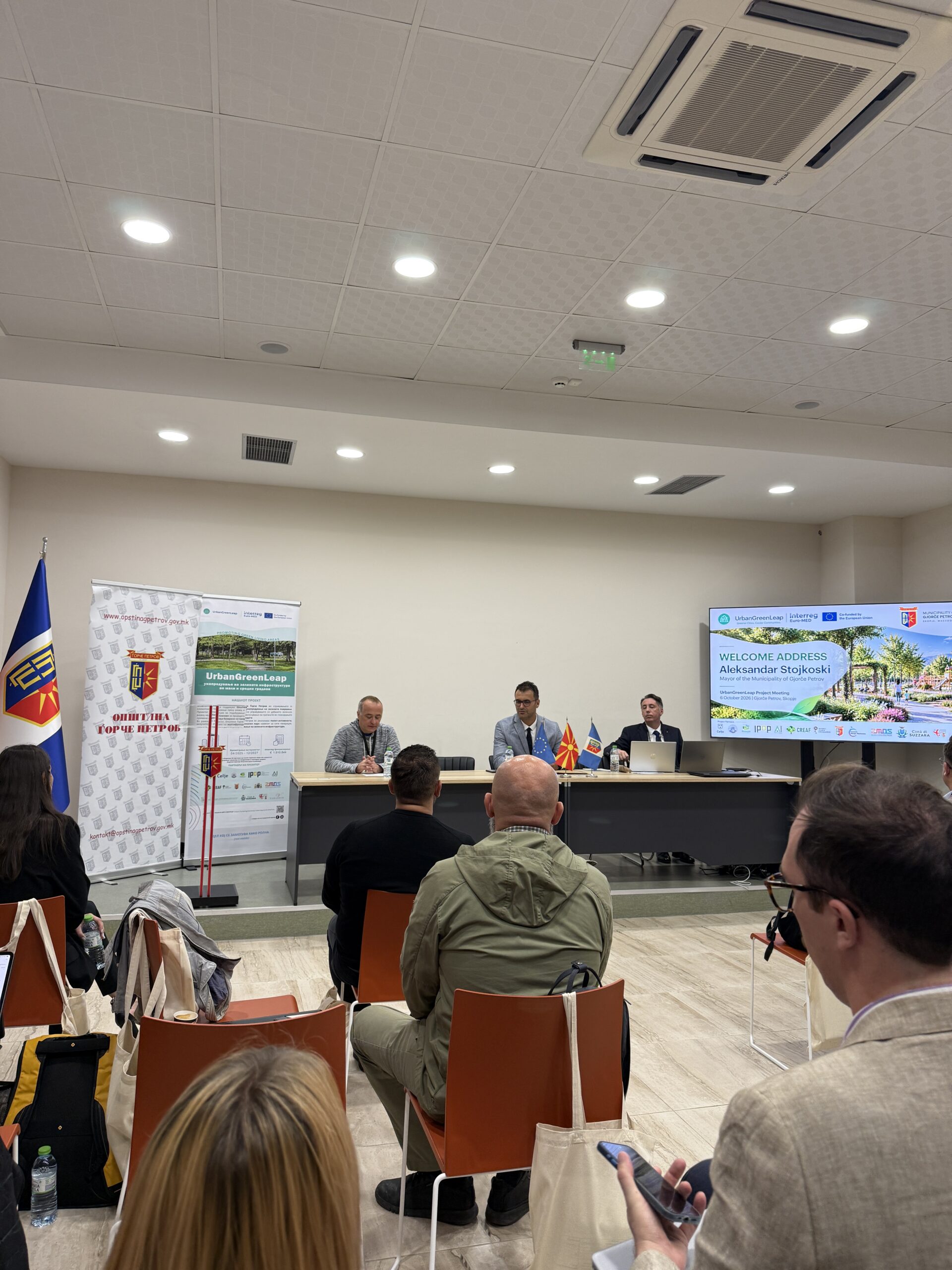

On 6–7 October 2026, UrbanGreenLeap project partners gathered in Gjorče Petrov, North Macedonia, for a two-day meeting focused on advancing Urban Nature Plans, preparing pilot interventions and developing a common approach to evaluating nature-based solutions (NBS) across six pilot cities.
Hosted by the Municipality of Gjorče Petrov, one of the ten municipalities forming the City of Skopje, the meeting brought together project partners from across the Mediterranean region. Participants were welcomed by Mayor Aleksandar Stojkoski and the local project team.
The meeting marked an important step in the project, as partners move from strategic planning and participatory processes towards implementing and evaluating green infrastructure and nature-based solutions in their cities.
From Urban Nature Plans to pilot interventions
The first day focused on reviewing progress in the development of Urban Nature Plans, which are currently in their finalisation phase. These plans provide a strategic framework for protecting, enhancing and managing urban nature, helping small and medium-sized cities better integrate biodiversity, climate adaptation and green infrastructure into urban planning.
Knowledge partners Ambiente Italia, IPoP – Institute for Spatial Policies and the University of Zagreb’s Faculty of Forestry and Wood Technology shared updates and provided technical feedback to support the next stages of the project.
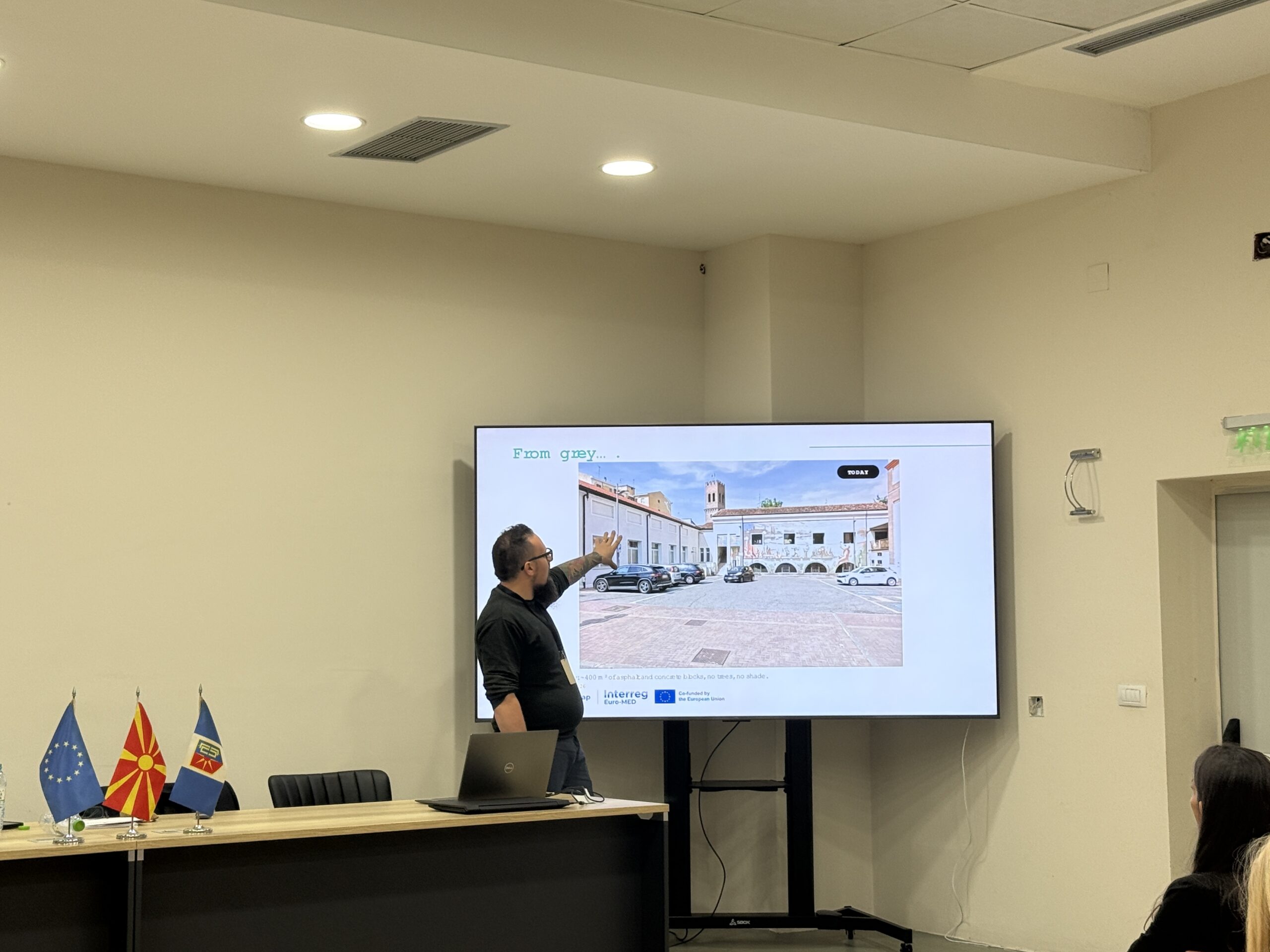
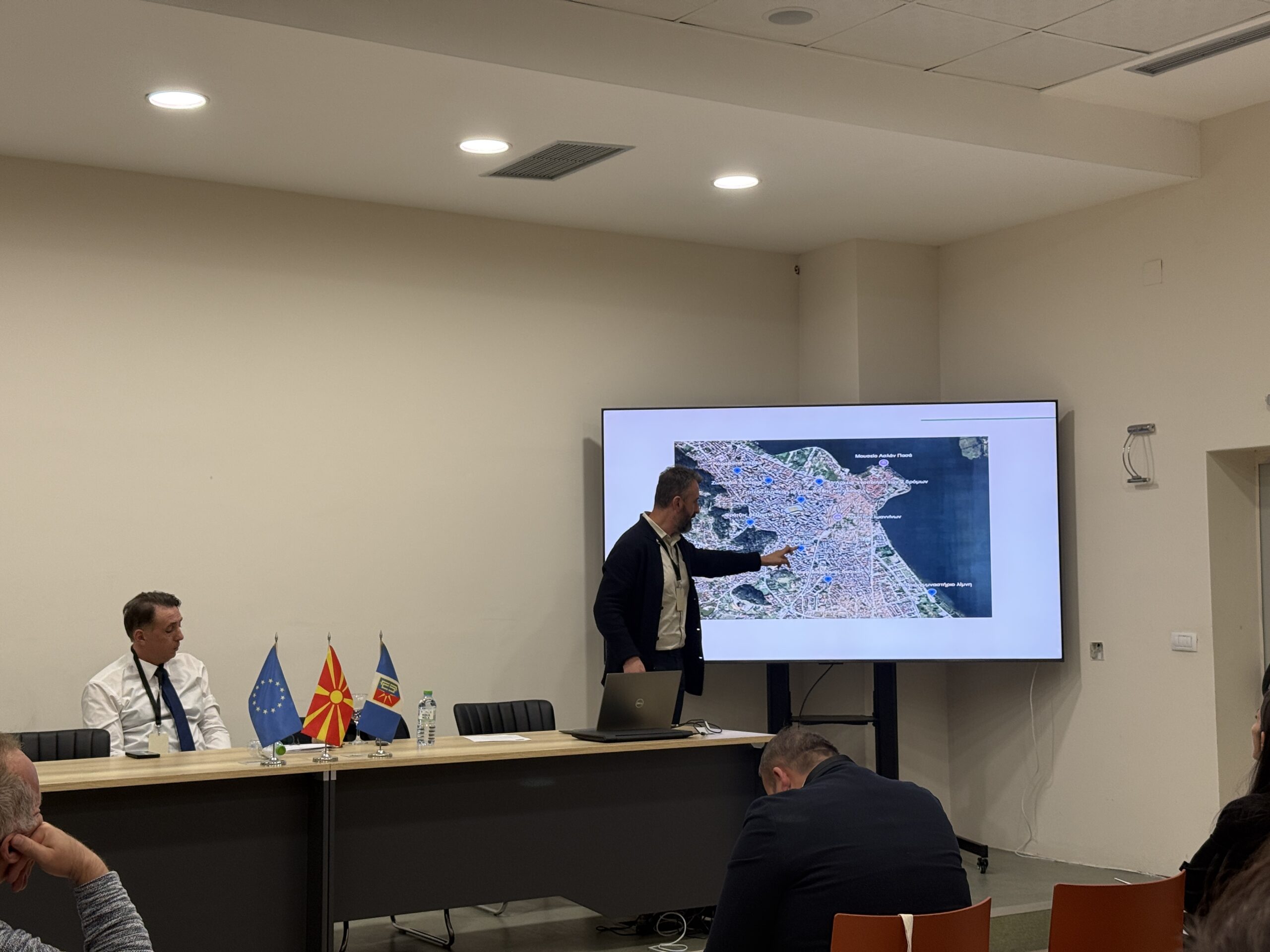
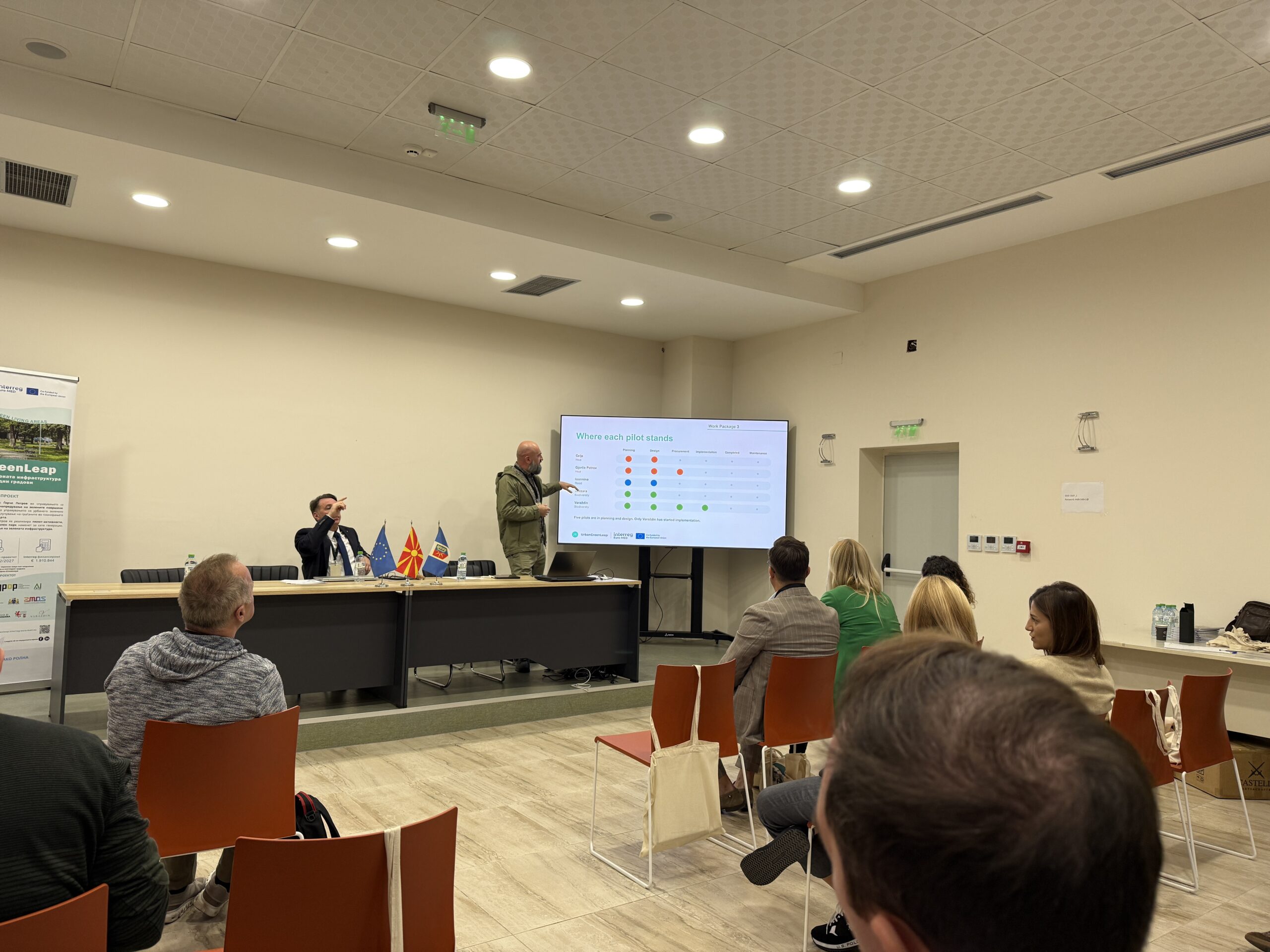
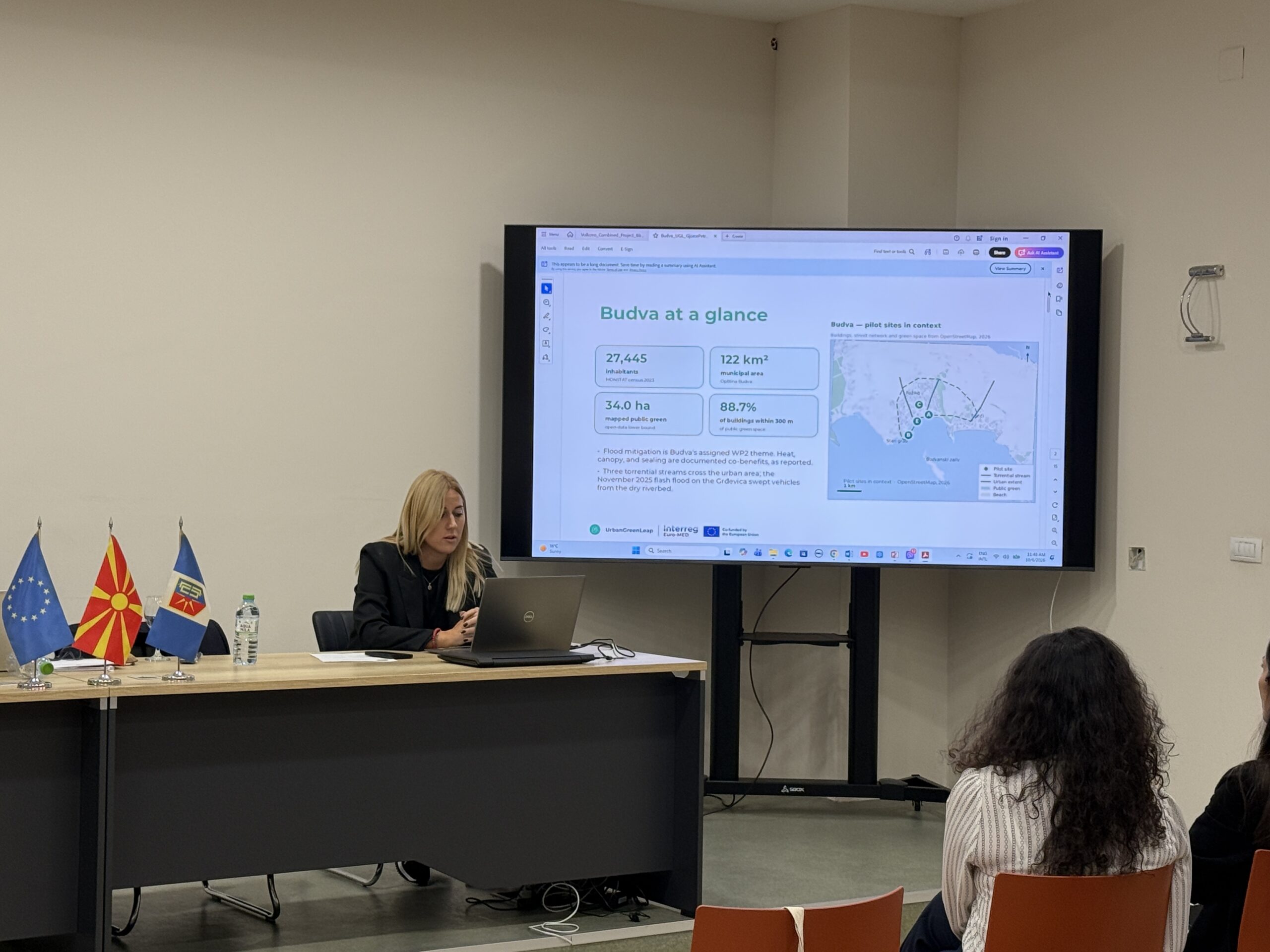
Representatives of six pilot locations, Celje (Slovenia), Suzzara (Italy), Varaždin (Croatia), Budva (Montenegro), Ioannina (Greece) and Gjorče Petrov (North Macedonia), presented progress on their pilot interventions and local participatory activities.
The planned interventions address several pressing urban challenges, including biodiversity loss, urban heat and stormwater management. Solutions range from removing impermeable surfaces and introducing more greenery to designing diverse, multi-layered vegetation that strengthens urban ecosystems and improves public spaces.
Partners also exchanged experiences from local engagement activities, including Greenathons, which are mostly planned in October and will bring together residents and local stakeholders to co-create ideas for greener urban environments.
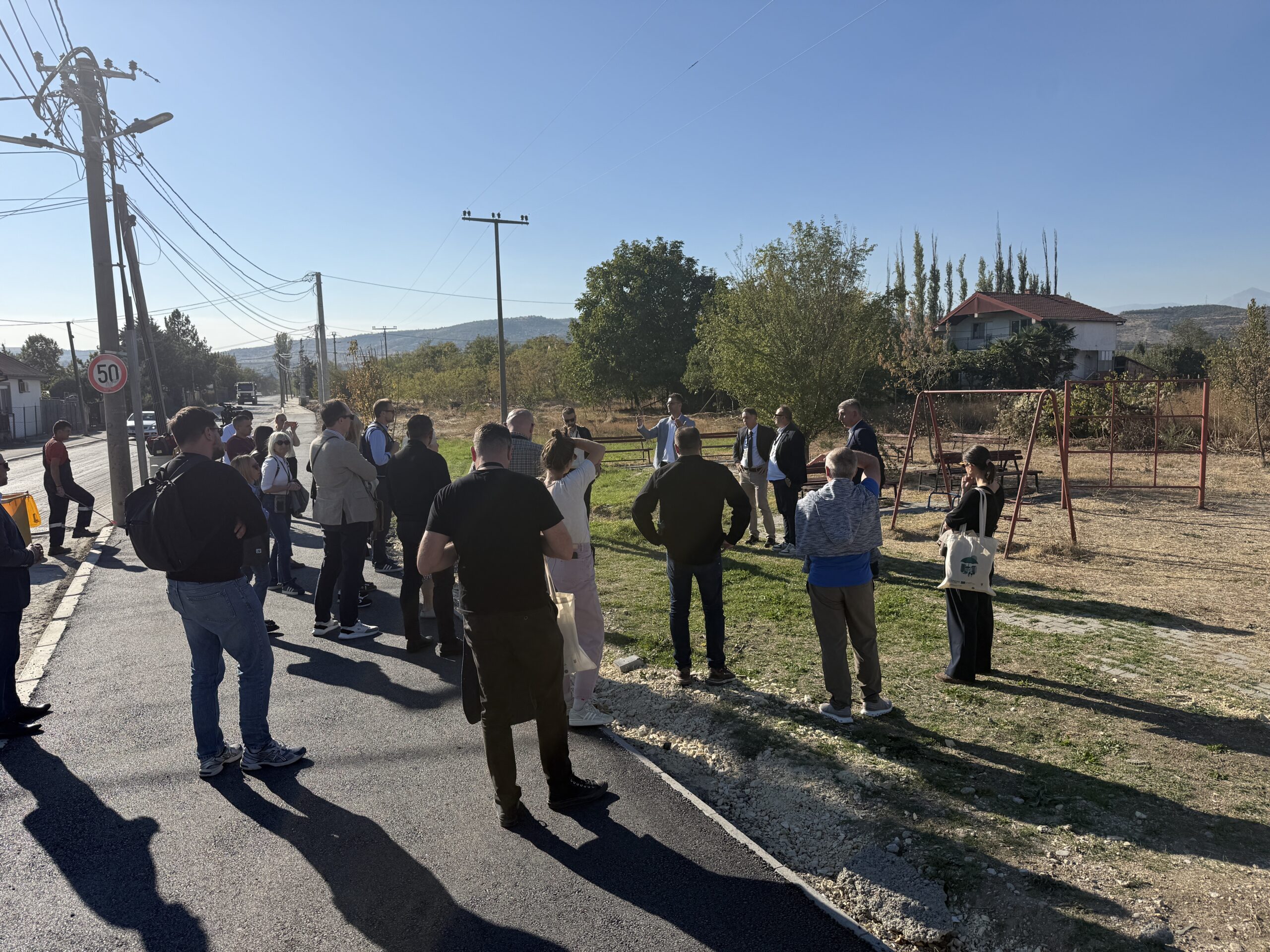
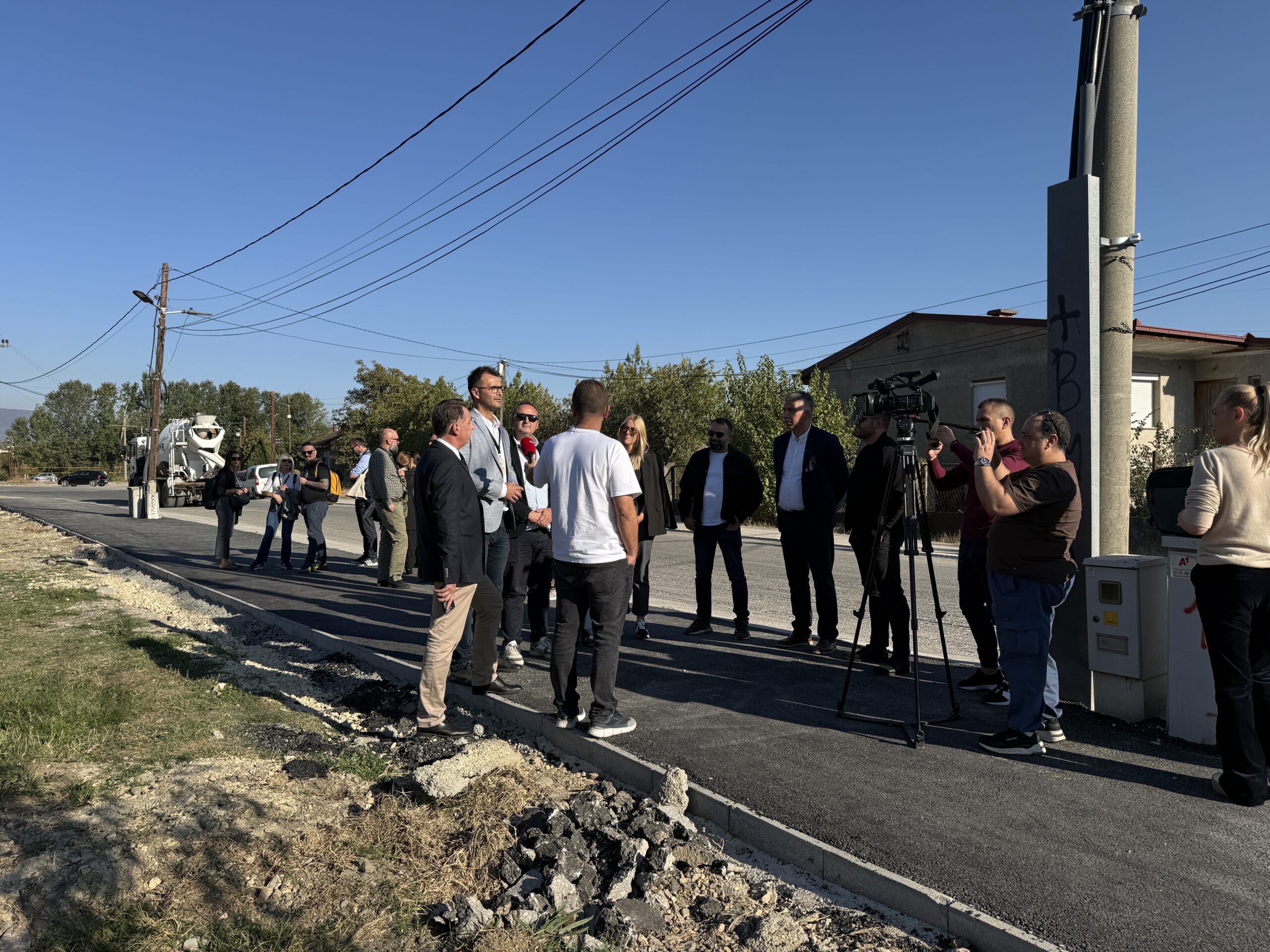
The first day concluded with a field visit to Volkovo, the pilot intervention site of the host municipality, offering participants an opportunity to explore the local context and discuss planned improvements.
Developing a common approach to measuring impact
The second day centred on a co-creation workshop dedicated to assessing the project’s pilot interventions.
Facilitated by the University of Zagreb’s Faculty of Forestry and Wood Technology, the workshop brought partners together to discuss and identify suitable key performance indicators (KPIs) for each pilot location.
The indicators will help establish baseline conditions and assess the effectiveness of the interventions, taking into account their specific objectives and local contexts. Depending on the intervention, the evaluation may address environmental benefits, such as biodiversity enhancement, heat mitigation and improved stormwater management, alongside social dimensions that will be measured through a survey and in-depth interviews, proposed by IPoP – Institute for Spatial Policies.
Developing a shared evaluation approach is essential for generating comparable findings, identifying lessons learned and supporting the transfer of successful solutions to other small and medium-sized cities across the Mediterranean.
The meeting continued with an overview of upcoming project activities, future outputs, communication priorities and project management. The meeting concluded with the looking ahead to meet in Ioannina (Greece) in spring 2027.
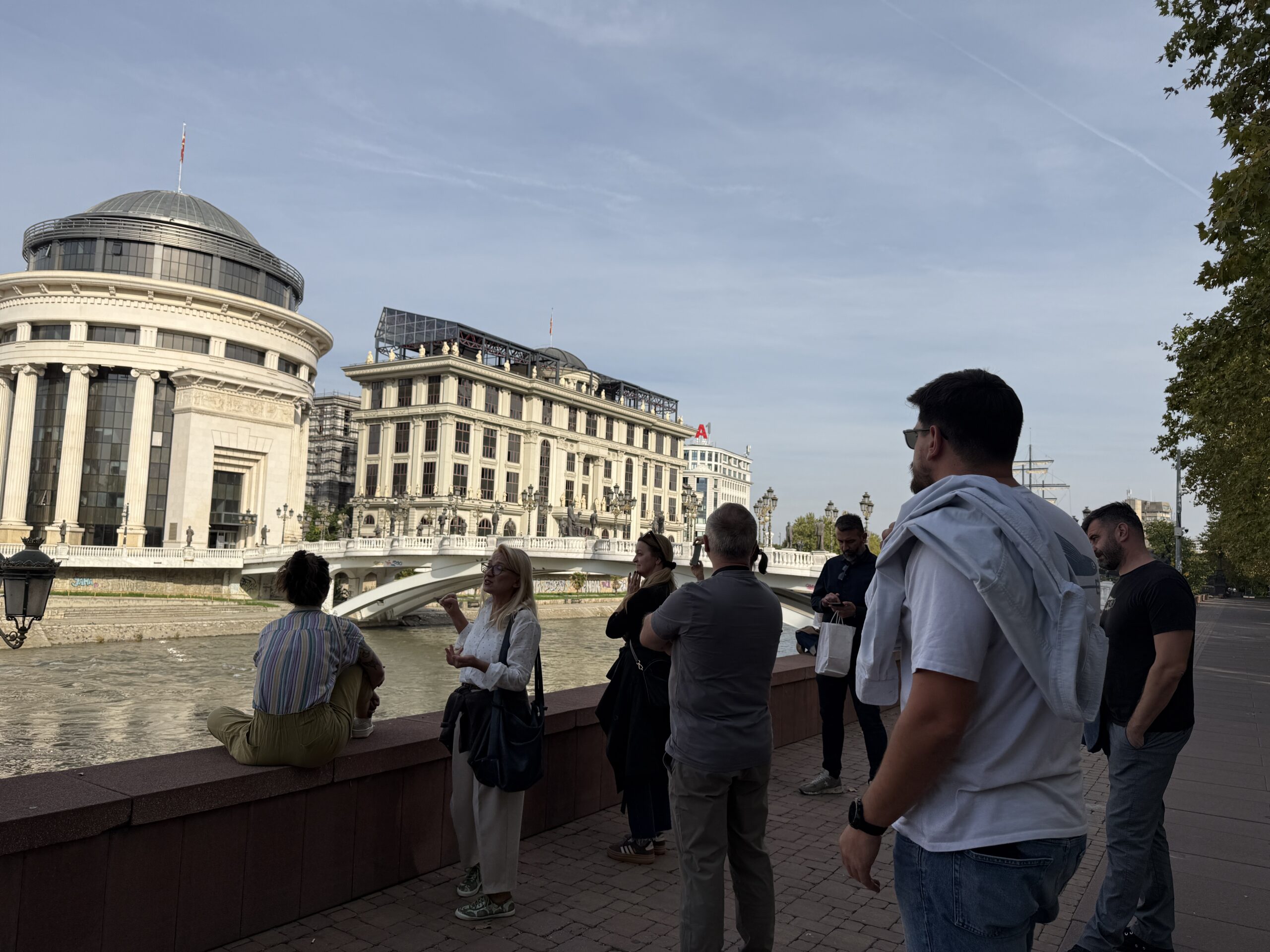
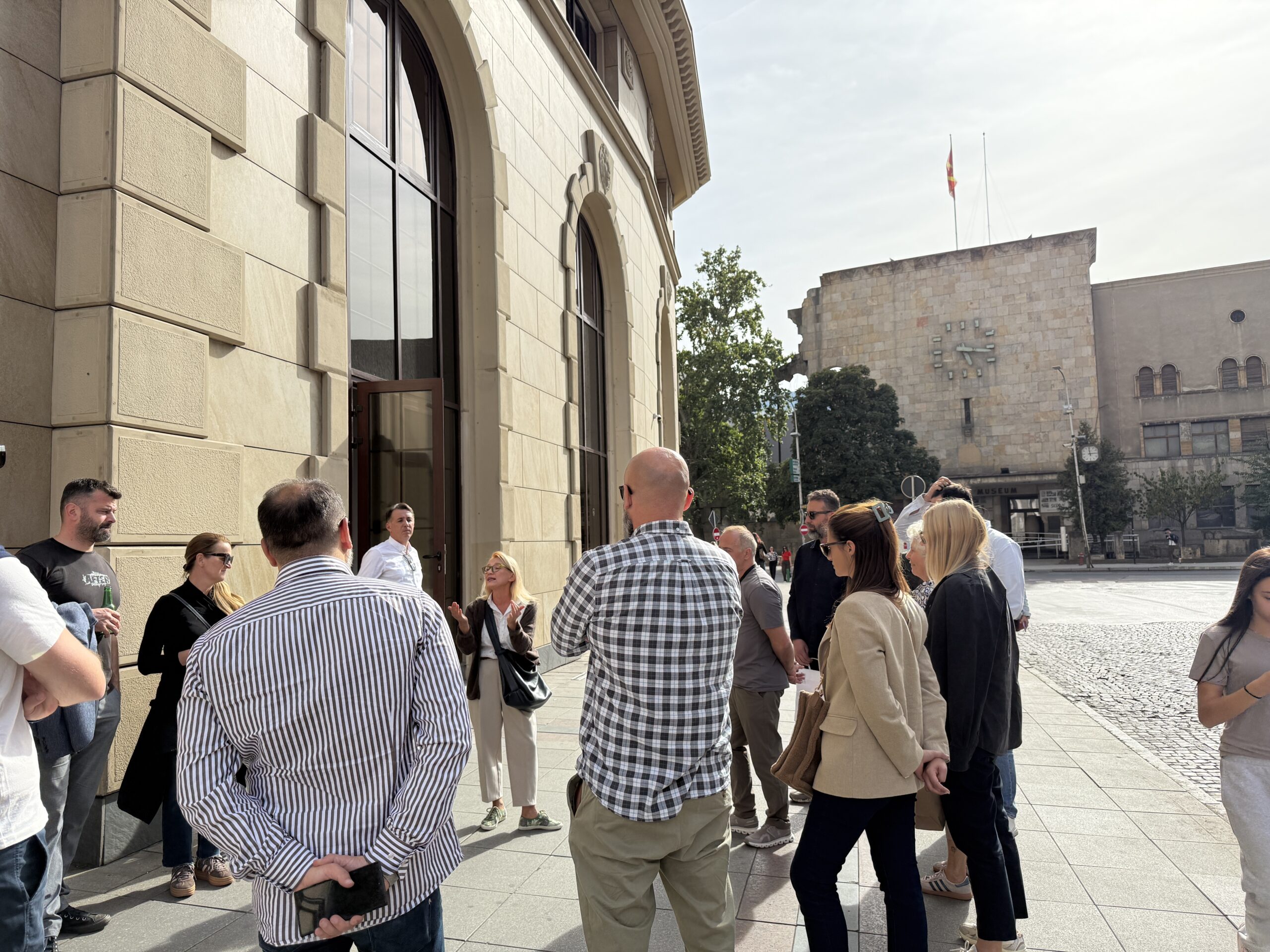
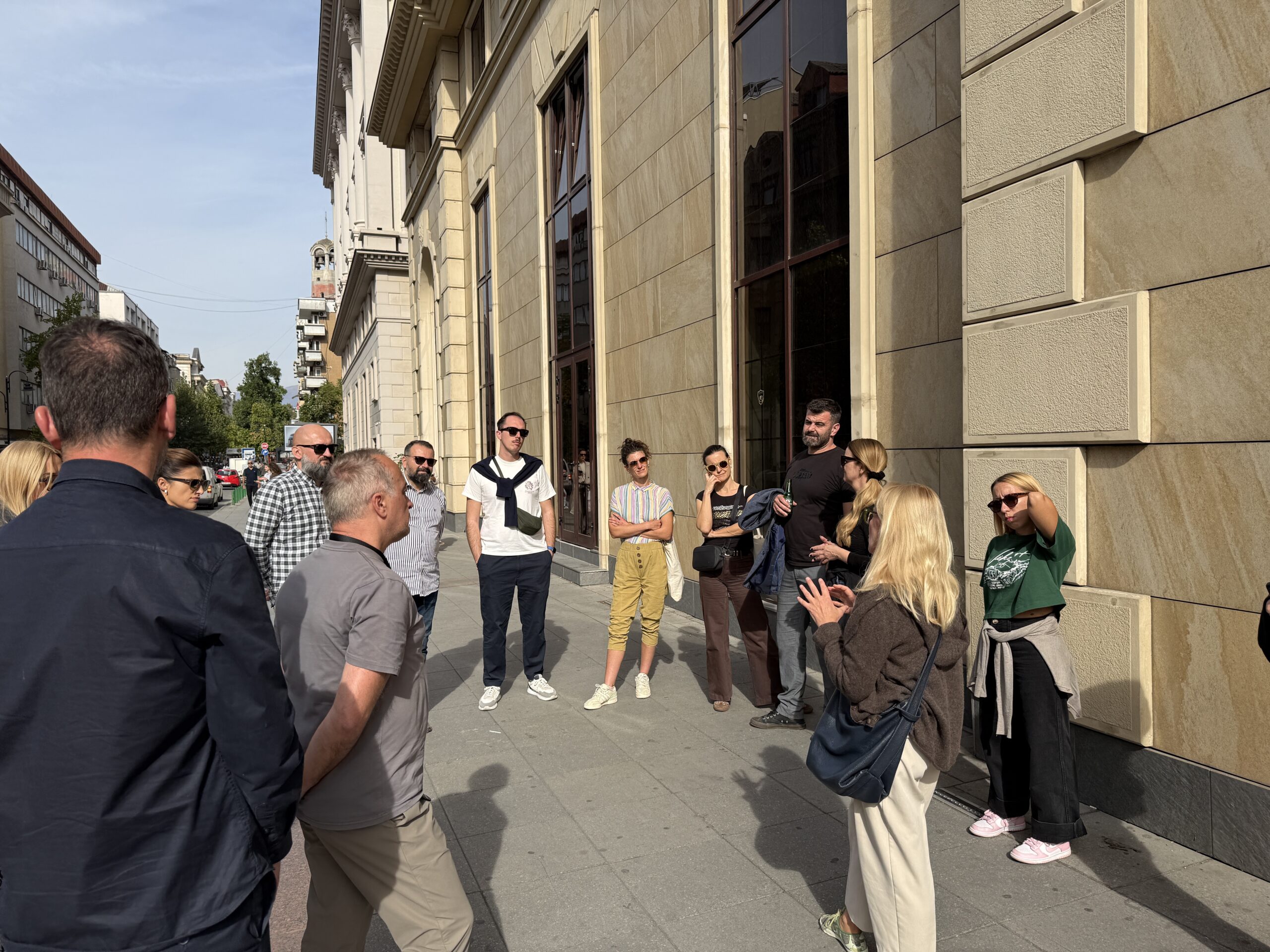
Partners also had the opportunity to explore Skopje’s historic city centre through a guided tour.
Turning local experiences into transferable solutions
As the UrbanGreenLeap project progresses towards pilot implementation, cooperation between cities and knowledge partners remains central to the project.
The six pilot interventions will provide opportunities to test nature-based solutions in different urban contexts, evaluate their benefits and identify approaches that can be adapted and replicated elsewhere.
By connecting strategic Urban Nature Plans with practical interventions, community participation and evidence-based evaluation, UrbanGreenLeap aims to support cities in creating greener, healthier and more climate-resilient urban environments.
PHOTO GALLERY