
Mediterranean cities are increasingly facing the effects of climate change. Rising temperatures, heavy rains and urban floods, pressure on accessible public green and open spaces, and the loss of biodiversity are changing the safety and quality of life in urban environments. For small and medium-sized cities, these challenges can be especially demanding. They need to respond similarly to large ones while they are dealing with unique challenges and limited resources.
This is where UrbanGreenLeap comes in.
Launched in April 2025, UrbanGreenLeap brings together 10 partner organisations, 4 knowledge providers and 6 cities, from EU and non-EU countries to demonstrate how small and medium-sized Mediterranean cities can become greener, safer and more resilient with strategic planning and participatory approach. Until December 2027, the project team will focus on supporting six local authorities (Celje, Ioannina, Varaždin, Suzzara, Gjorce Petrov and Budva) in planning and managing urban green spaces more sustainably and collaboratively, involving new actors and citizens in developing of Urban Nature Plans and demonstration investments that will strengthen urban biodiversity and resilience.
One year into the project, UrbanGreenLeap is already taking shape on the ground. Partners have connected across borders, shared knowledge, gathered good practices and started developing the tools that will help pilot towns move from ideas to local action.
Joining forces in Milan
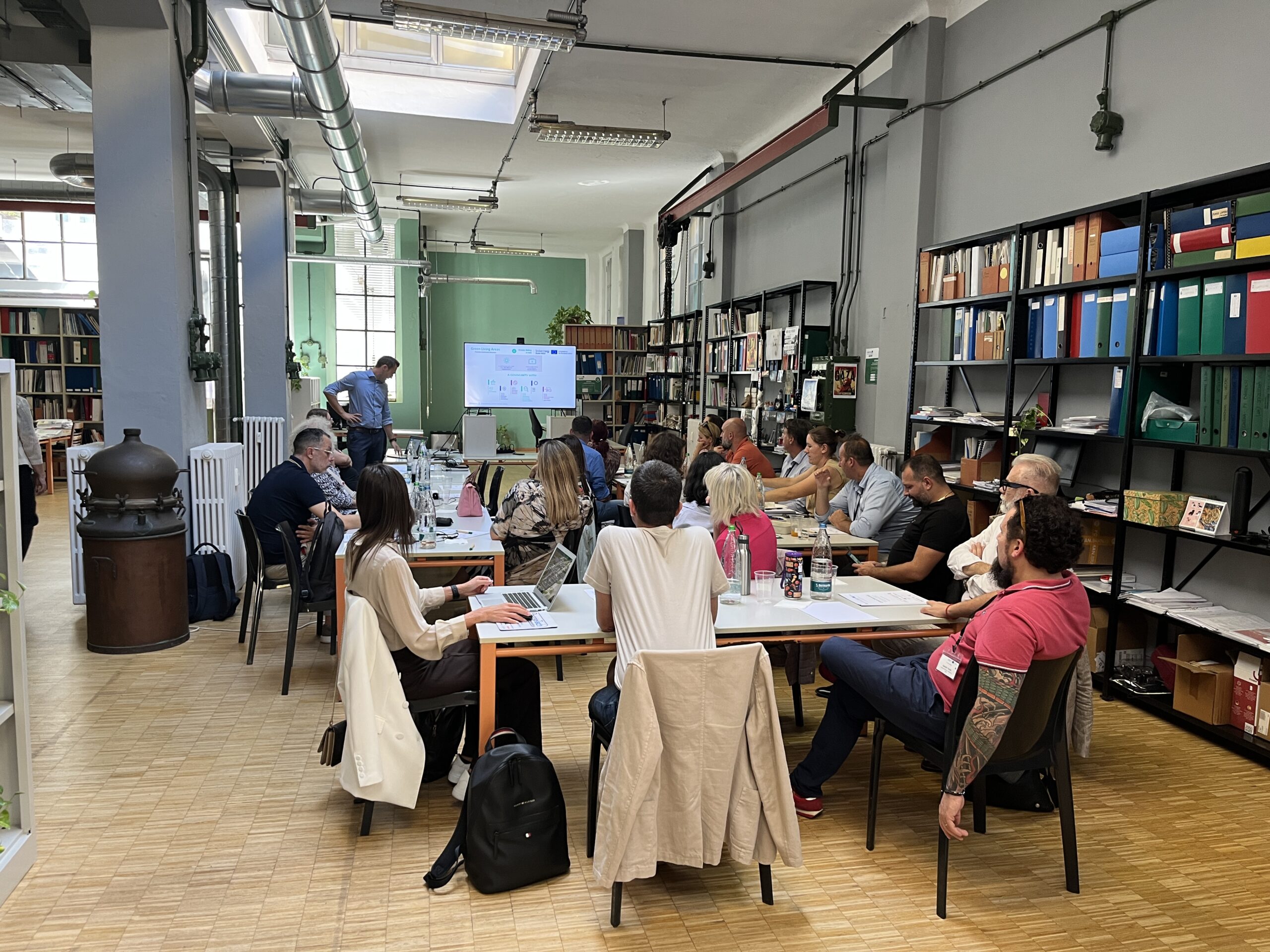
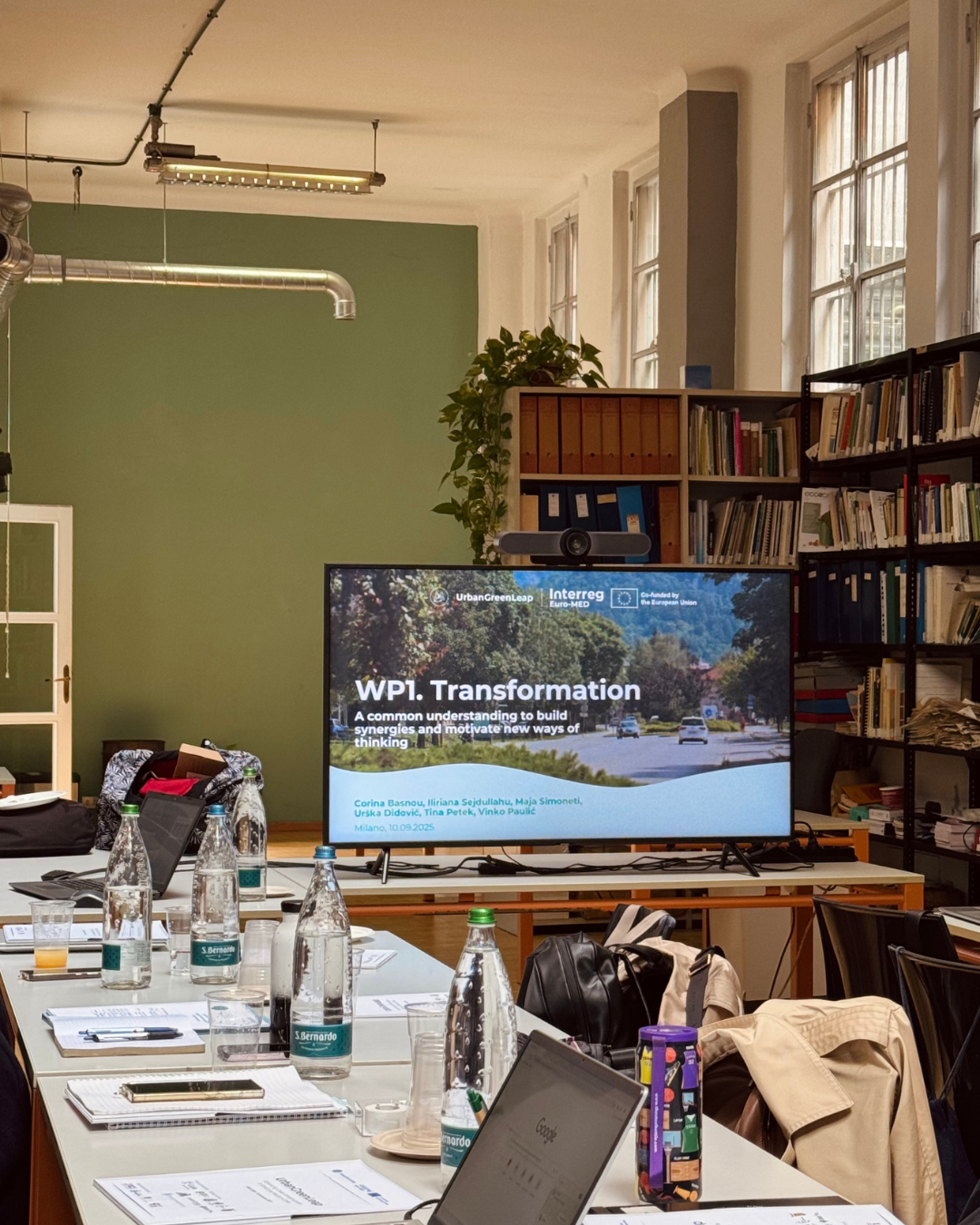
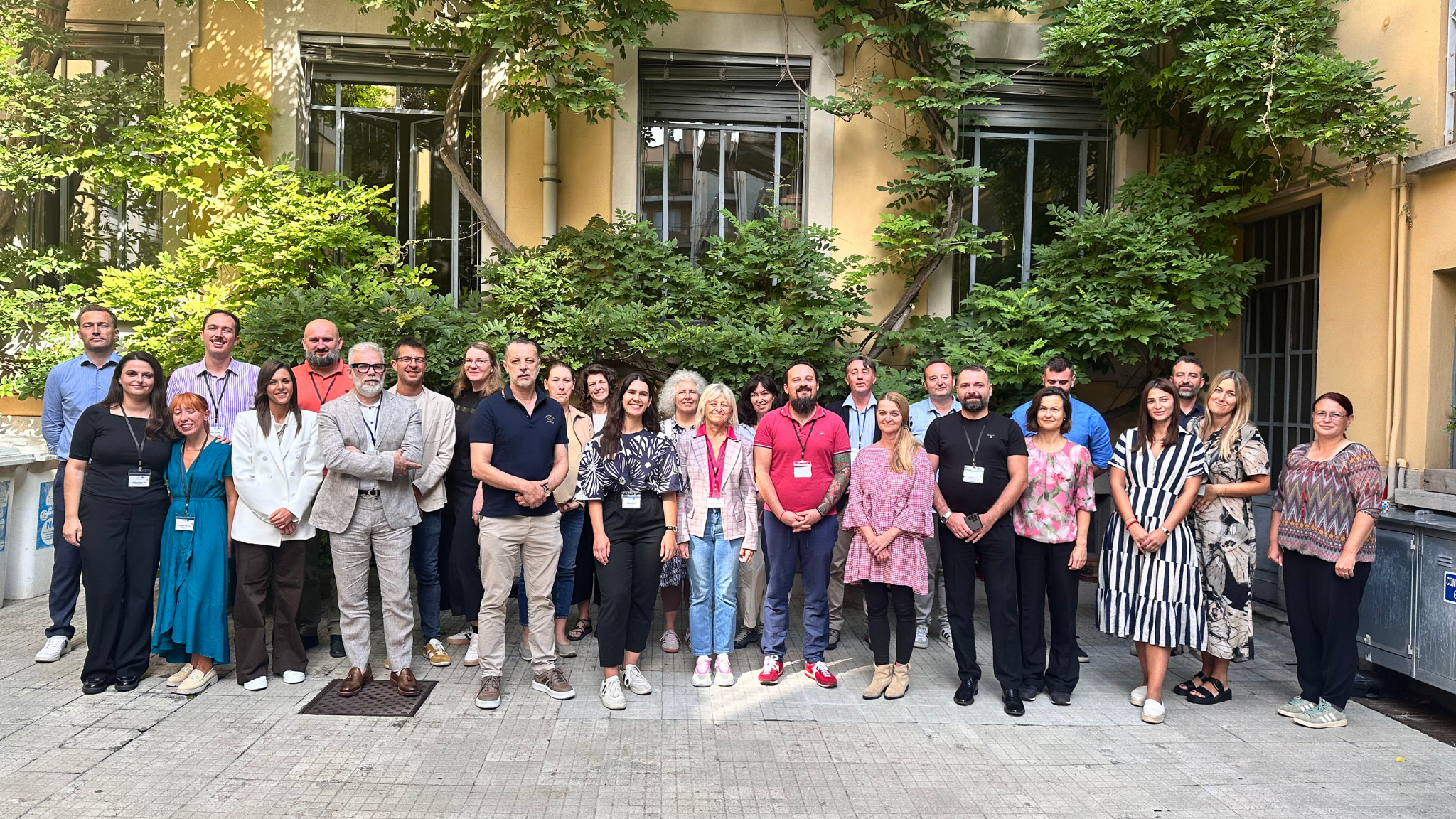
The project officially launched with a kick-off meeting in Milan in September 2025, held at the headquarters of Ambiente Italia S.r.l., the meeting’s hosts and knowledge providers. The building has been home to the project partners since the mid-1990s to 2026 and originally served as a factory for extracting food-grade essences, most notably chinotto, which is said to have been invented on those very premises. The industrial heritage is why historical artifacts like the winch, the extractors, and the large silo are still preserved in the main hall where the project meeting was held. This was the first opportunity for all partners to meet, align their expectations and pilot cities’ needs and begin shaping a common understanding of how nature-based solutions can support climate adaptation in smaller Mediterranean cities.
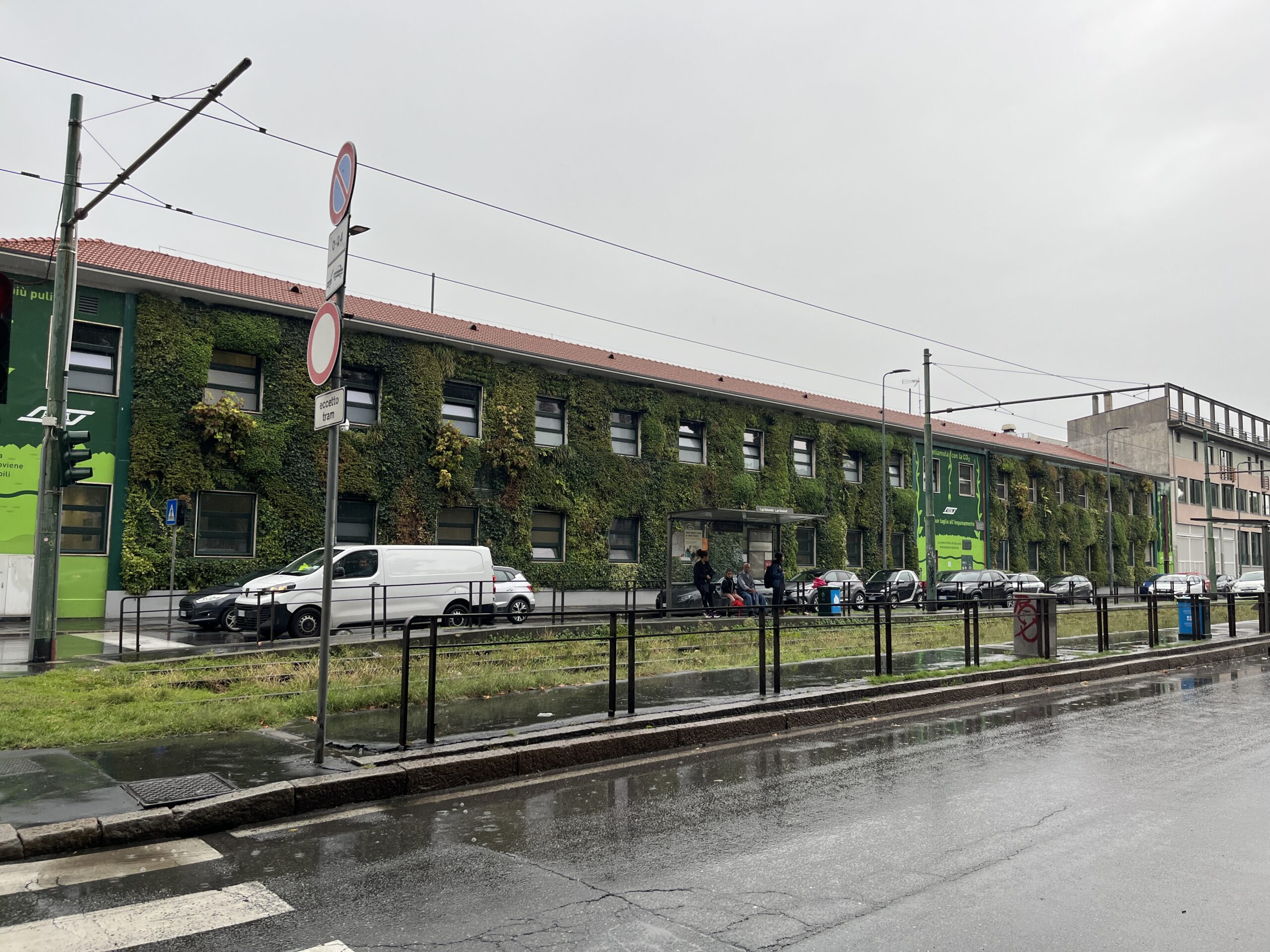
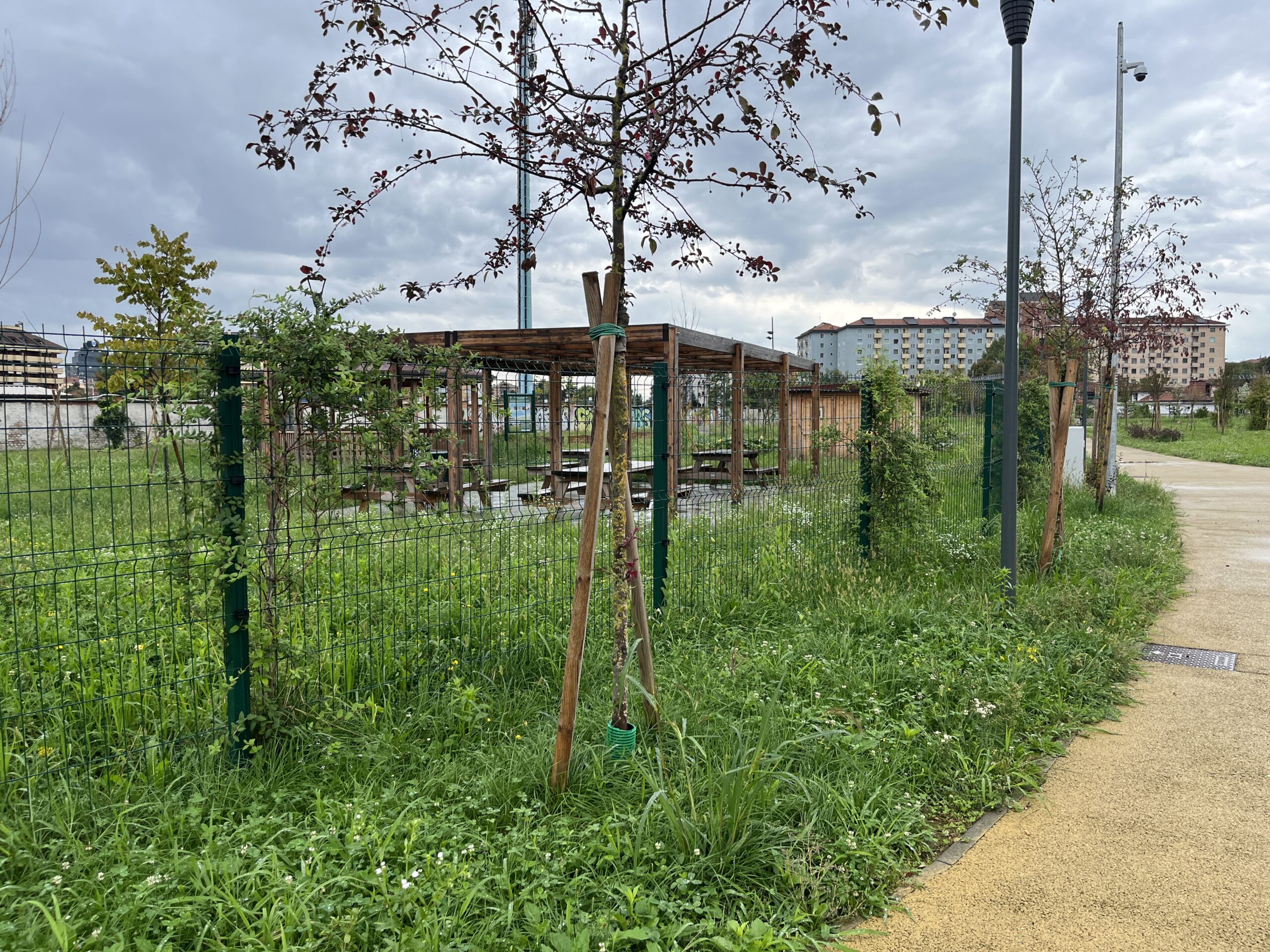
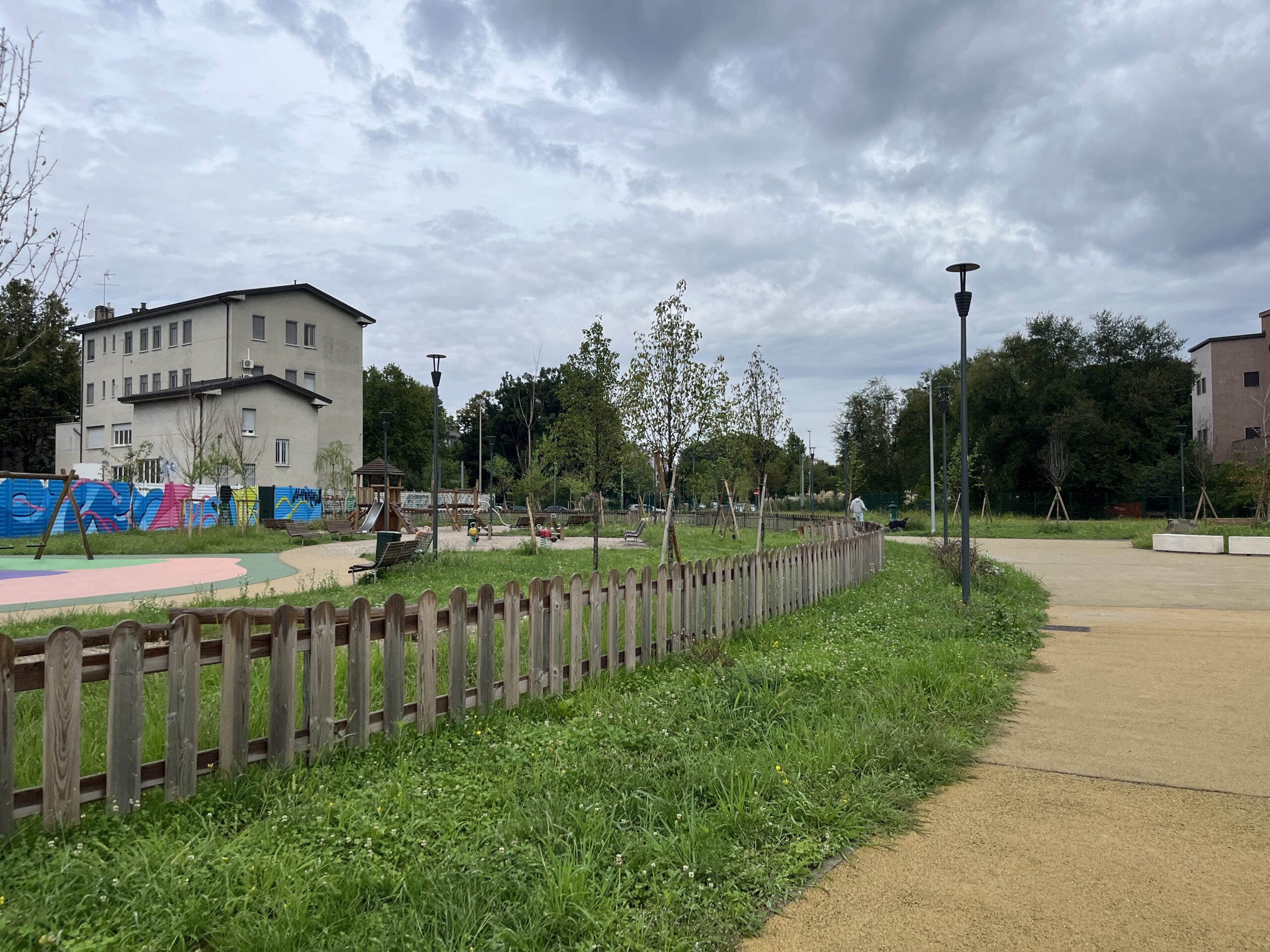
Partners visited two examples of urban greening in Milan: a vibrant green wall on an ATM bus depot and a newly created public park in Giambellino district. The green wall is extraordinary, because it extends through a 75 meters long and 8 meters high façade and hosts over 10,000 plants of more than 20 different species and is the first installation of its kind in Milan. It also insulates the building, providing energy savings, as well as a more pleasant walk along the sidewalk on a busy avenue. The visited newly established Alan Kurdi public park was in the proximity of the green wall and has been transformed from a former polluted industrial area to a publicly accessible, biodiverse park in honour of the ethnic diversity of the area. The park provides the local community to play, do sports, socialize, grow their own food and simply be in contact with nature. Both of these examples showed how green infrastructure can improve public spaces, support biodiversity, manage the local microclimate and contribute to a more liveable urban environment. We were delighted to have the mayor of The Municipality of Suzzara, Alessandro Guastalli, join us at the first partner meeting in Milan.
PHOTO GALLERY
Learning from good practices across Europe
One of the first project outputs is the Good Practice Catalogue, a collection of 15 nature-based solutions from across Europe. The examples, coming from Hungary, Slovenia, the United Kingdom, Italy, Spain, Croatia, Belgium, the Czech Republic and Germany, show how cities can use nature based solutions and urban greening projects to rise climate resilience of cities and regenerate public green and open spaces according to local environment and community needs.
Focusing on biodiversity, flood and heat mitigation and green space management, the catalogue offers practical and transferable knowledge and inspiration for partner cities and other towns and cities planning their own nature-based interventions.
View, browse or share the Good Practice Catalogue.
Project storytelling through video
To bring this story closer to the people and places beyond the project, the UrbanGreenLeap project team created a short promotional video. It shows what climate change already means for Mediterranean cities: higher air temperatures, hotter streets, heavy rains and urban floods and growing pressure on urban green space and biodiversity.
At the same time, the video looks ahead. It introduces the six pilot cities where local communities, experts and international partners will work together to plan and test nature-based solutions. In this way, the video does more than present the project — it helps people understand why greener, cooler and more resilient towns matter.
Capacity building in Barcelona
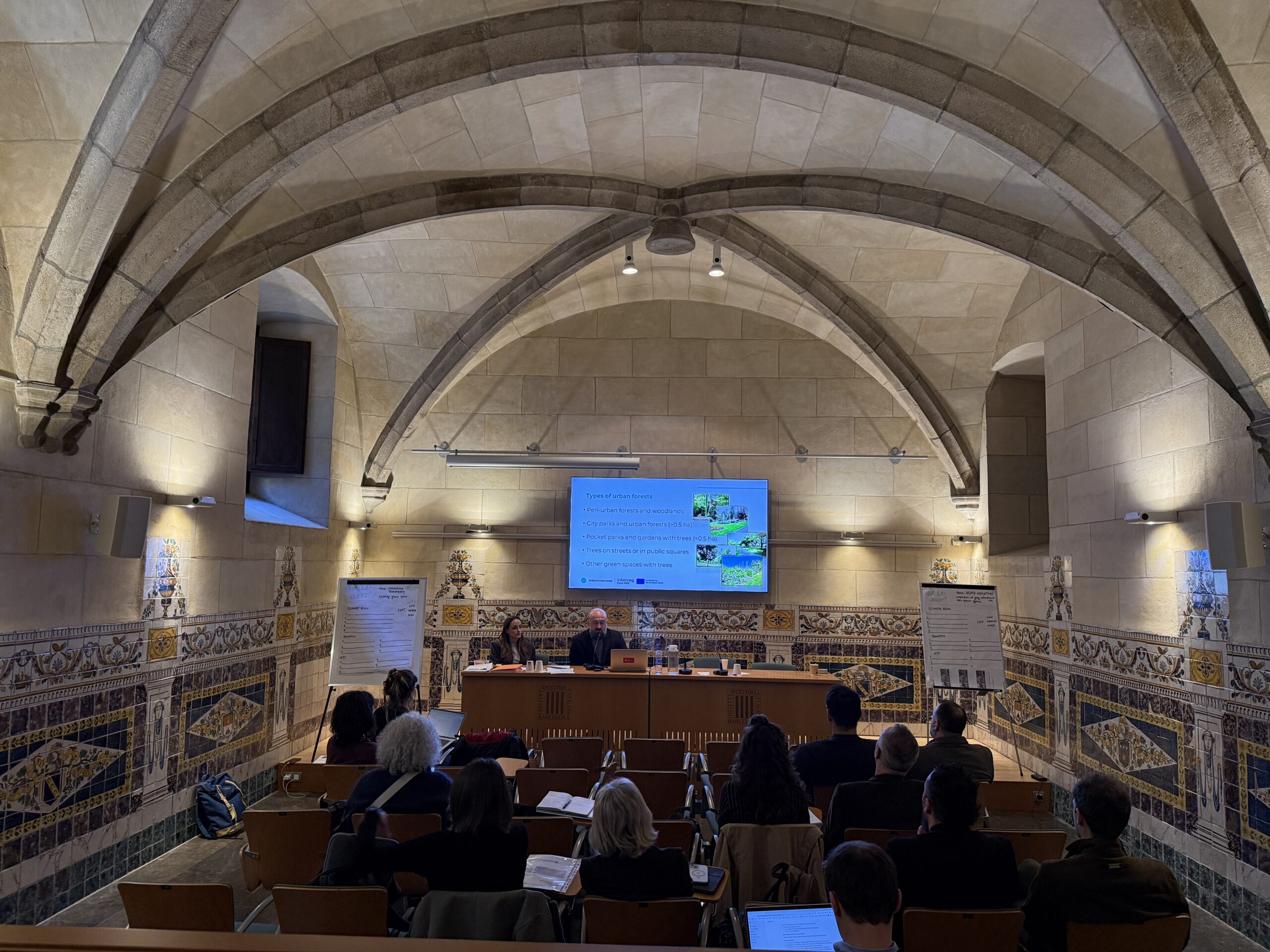
In February 2026, partners came together again for a project meeting in Barcelona, to take the next step from shared ideas towards practical local work. The project meeting was organised and hosted by project partner and knowledge provider CREAF in a beautiful, historical building of Institute of Catalan Studies with its impeccable architectural details and inspirational value. The meeting created space to learn, question and co-create: how can urban biodiversity be strengthened in everyday planning, how can citizens be meaningfully involved, and how can Urban Nature Plans become useful tools for real change with pilot demonstrations?
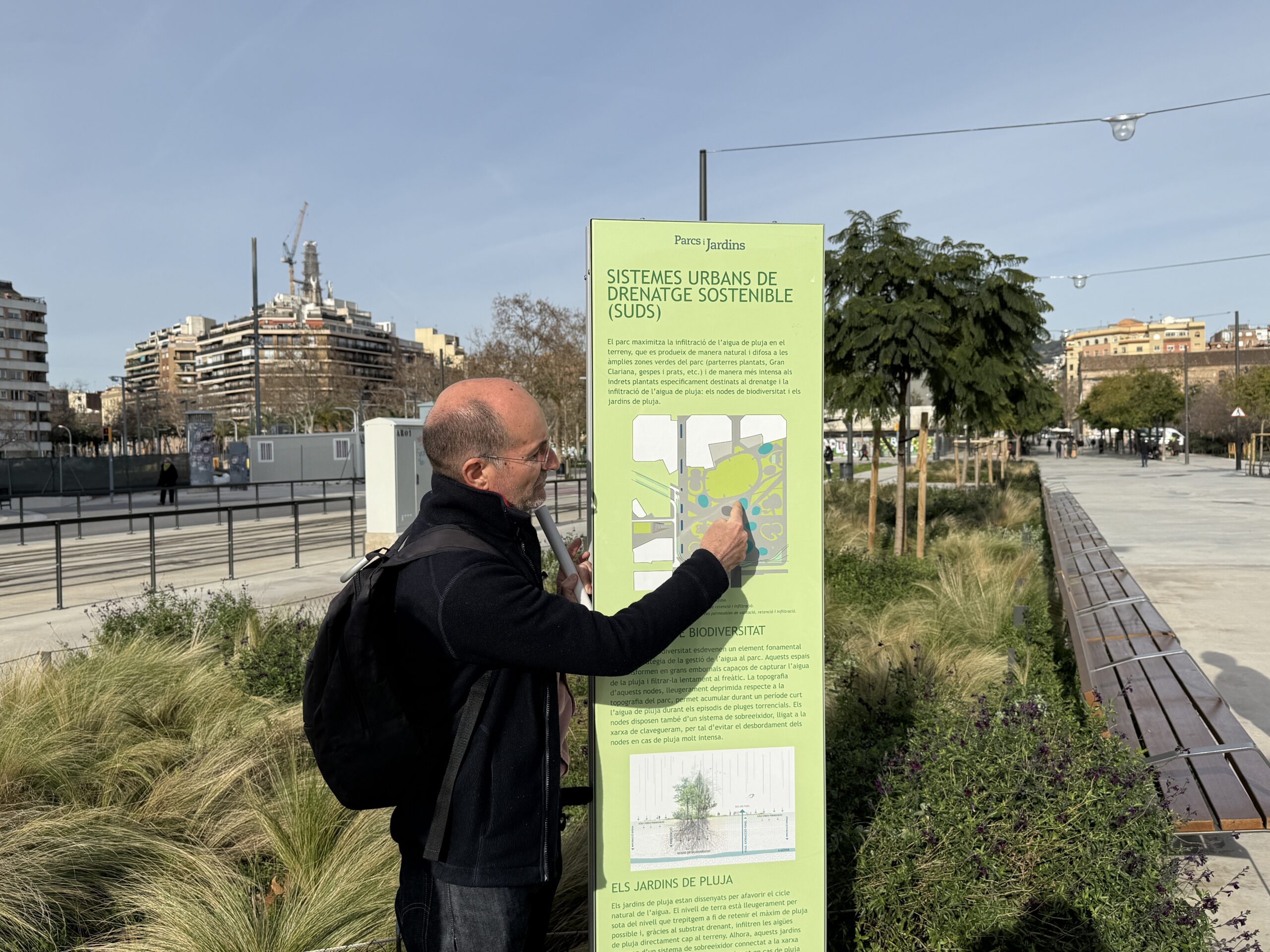
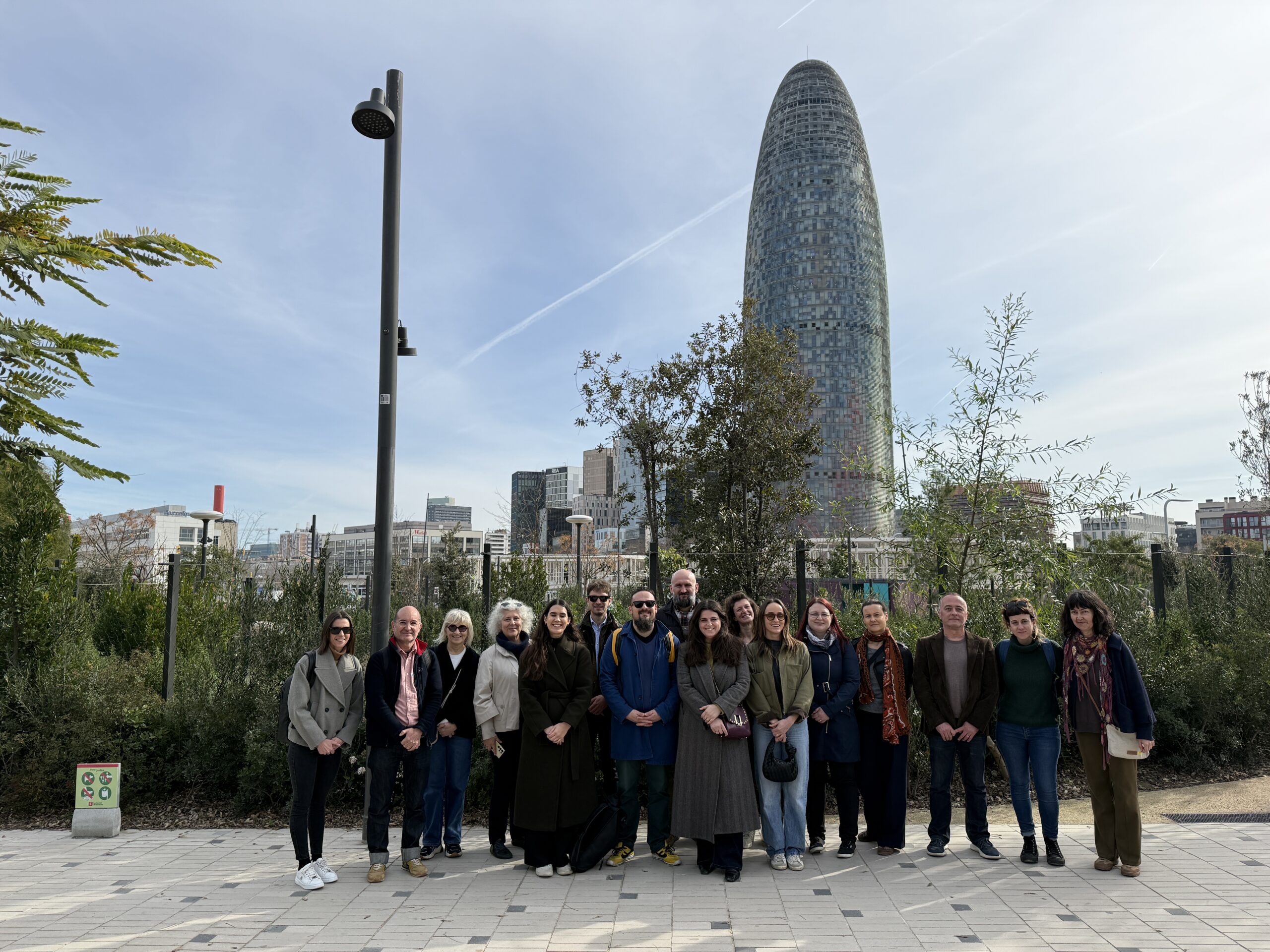
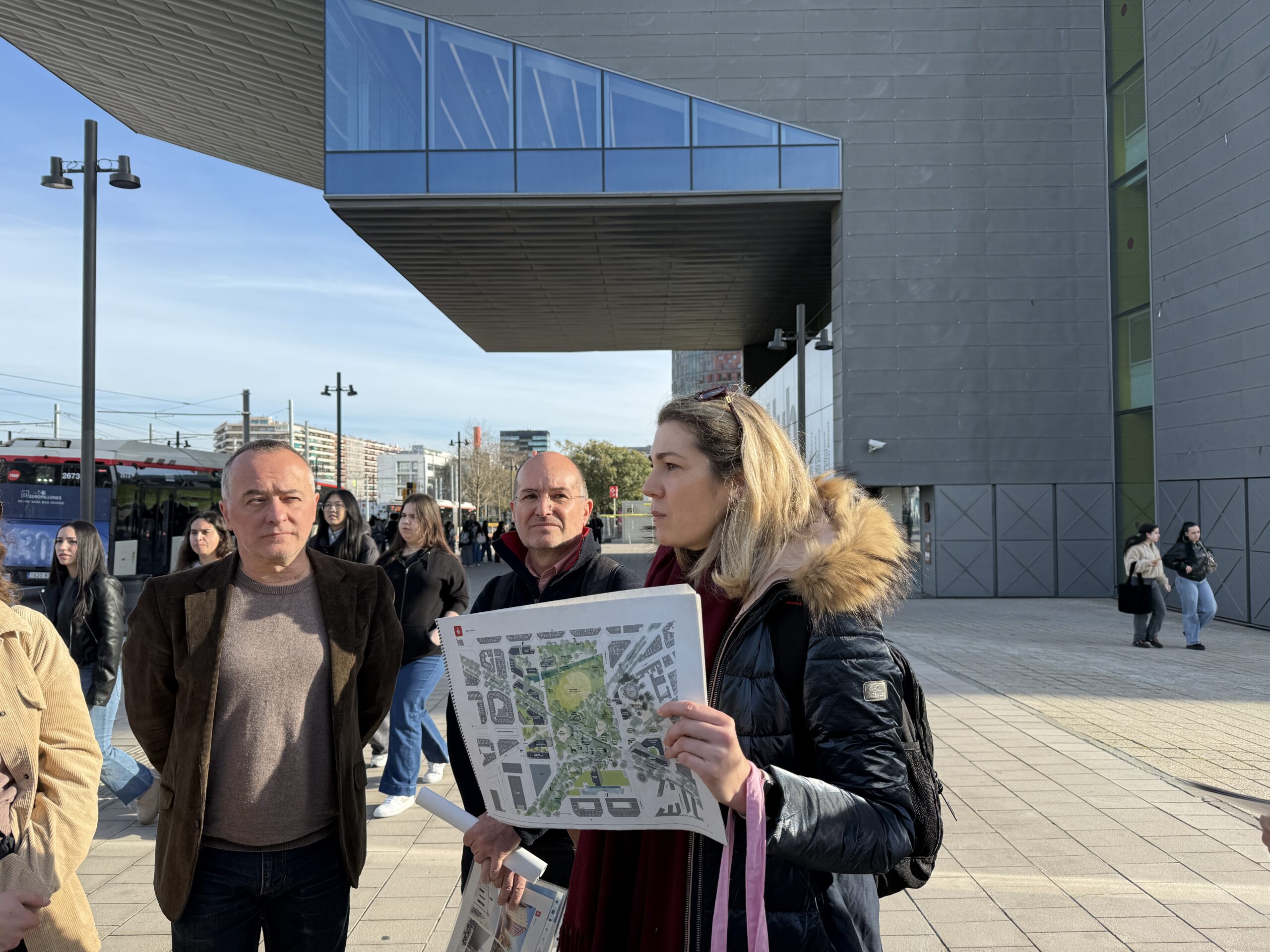
Through discussions, training sessions, workshops and exchanges with local experts, pilot cities gained ideas and were inspired for the work ahead. During a guided site visit to Parque de las Glorias, a newer park in Barcelona, developed through a particularly inclusive planning process and now remarkable for its biodiversity, partners could see how ideas about public participation, urban nature and climate resilience take shape in a real urban setting. We’re very humbled to have been guided through the park by an architect Neda Kostandinovic and biodiversity specialist Juan Bernardo Martín Corral from Barcelona City Council’s Urban Ecology Agency as part of the Urban Planning, Climate Action, Mobility, Neighbourhood Plan and Urban Services Department. Barcelona was more than a coordination meeting; it was a moment to connect the project’s wider vision with concrete actions that will soon begin in the six partner local communities. We were honored to have the mayor of the Municipality of Gjorče Petrov, Aleksandar Stojkoski, and the deputy mayor of Suzzara, Gianmarco Carra, join us at the meeting, as well as Judith Cazas, the Interreg Euro-MED Programme project officer.
PHOTO GALLERY
Looking ahead
After one year, UrbanGreenLeap project team is now moving from preparation towards implementation. The knowledge gathered through partners and experience exchange, the Baseline Study, the Good Practice Catalogue, the UrbanGrenLeap project video, the Capacity Building Strategy and the Site-specific participatory processes tailored to all city partners now provide a strong basis for the next steps.
In the coming months, the knowledge partners will continue to support pilot cities in developing Urban Nature Plans and designing pilot projects and actions to test and scale up sustainable nature-based solution practices.
The goal remains clear: to help and support the 6 pilot Mediterranean cities become greener, cooler, safer and more resilient while bringing biodiversity to the heart of urban life and set an example and an inspiration for other small and medium-size cities.